The Impact of AI on Business: Applications, Benefits, and Future Trends
- The Expanding Role of AI in Business
- The Benefits of Adopting AI
- Key Applications of AI Across Business Functions
- Customer Service and Engagement
- Data Analysis and Insights
- Automation of Routine Tasks
- Personalisation and Customisation
- Creative Content Generation
- Industry-Specific AI Applications
- Finance and Accounting
- Healthcare
- Retail and E-commerce
- Manufacturing
- Human Resources
- Challenges and Ethical Considerations
- Navigating the Ethical Landscape of AI
- The Future of AI in Business
Artificial intelligence (AI) is no longer a futuristic concept; it's a present-day reality that's revolutionising how businesses operate and compete. From automating routine tasks to providing deep insights, ai in business applications are transforming industries across the board. This article explores the diverse ways AI is being used to enhance efficiency, drive growth, and improve customer experiences. We will delve into specific applications across various sectors, providing a comprehensive understanding of how businesses can leverage AI to their advantage.
The Expanding Role of AI in Business
The integration of ai in business is rapidly accelerating, with companies increasingly adopting AI technologies to gain a competitive edge. Investment in AI is on the rise, reflecting a growing recognition of its potential to transform operations and create new opportunities. A significant portion of tech leaders plan to increase their AI investments, with many companies implementing internal programs to equip employees with the skills needed to utilise AI effectively. This surge in adoption is driven by the understanding that AI can provide a significant return on investment by enhancing productivity, reducing costs, and improving decision-making.
The Benefits of Adopting AI
There are numerous benefits to incorporating ai in business, from improving customer service to optimising internal processes. AI enables businesses to analyse vast amounts of data, identify patterns, and predict trends, allowing for more informed decision-making. This data-driven approach can lead to greater efficiency, improved customer engagement, and the development of innovative products and services. The ability of AI to automate repetitive tasks also frees up human employees to focus on more strategic and creative work, further enhancing productivity and job satisfaction.
Key Applications of AI Across Business Functions
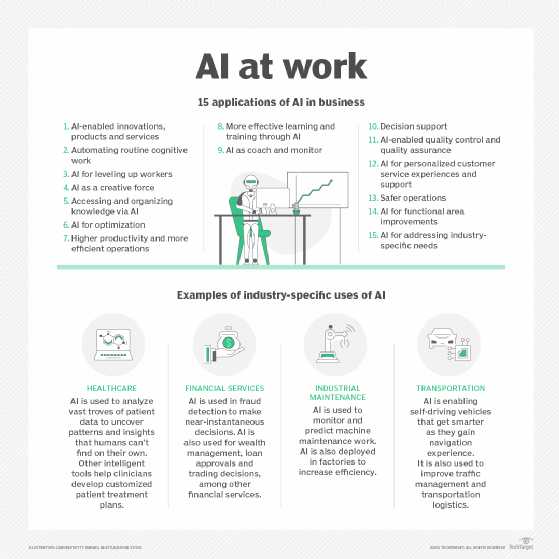
AI’s versatility makes it applicable across a wide range of business functions. Here are some of the most impactful ways AI is being used in various departments:
Customer Service and Engagement
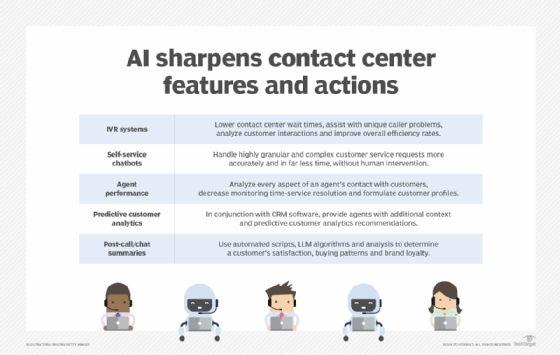
One of the most visible applications of ai in business is in customer service. AI-powered chatbots and virtual assistants are now commonplace, providing instant responses to customer queries and handling routine tasks. These tools use natural language processing (NLP) to understand customer requests and provide relevant information, improving response times and customer satisfaction. By automating these interactions, businesses can manage a higher volume of customer inquiries, allowing human agents to focus on more complex issues.
Data Analysis and Insights
AI excels at analysing vast amounts of data, turning raw information into actionable insights. Machine learning algorithms can identify trends, patterns, and anomalies that might be missed by human analysts. This capability is crucial for businesses looking to improve their decision-making processes, optimise operations, and identify new opportunities for growth. By leveraging AI for data analysis, businesses can gain a deeper understanding of customer behaviour, market trends, and internal performance.
Automation of Routine Tasks
AI is proving to be invaluable in automating repetitive and mundane tasks, freeing up employees to focus on higher-value activities. From data entry to report generation, AI can handle a wide range of routine processes, reducing human error and improving efficiency. This automation not only reduces costs but also improves the quality of work, as AI systems can perform these tasks more accurately and consistently than humans.
Personalisation and Customisation
Personalisation is key to engaging customers effectively, and AI is a powerful tool for achieving this. AI algorithms can analyse customer data to understand preferences and buying behaviours, enabling businesses to offer personalised recommendations, targeted marketing campaigns, and tailored experiences. This level of customisation enhances customer satisfaction and loyalty, leading to increased sales and revenue.
Creative Content Generation
The ability of ai in business to generate creative content is a groundbreaking development. Generative AI tools can create text, images, music, and even code, offering businesses new ways to produce marketing materials, design product prototypes, and develop software. This capability allows businesses to generate content more quickly and efficiently, while also exploring innovative ideas and concepts.
Industry-Specific AI Applications
While many AI applications are cross-industry, several use cases are specific to individual sectors. Here are some examples of how AI is transforming various industries:
Finance and Accounting
The financial sector is rapidly adopting ai in business for various applications, including fraud detection, risk management, and financial analysis. AI algorithms can analyse transaction data to identify suspicious activities and prevent fraud, while also providing insights for investment decisions. AI is also being used to automate accounting tasks, such as invoice processing and reconciliation, improving efficiency and accuracy.
Healthcare
In healthcare, AI is being used for a wide range of applications, from diagnosing diseases to personalising treatment plans. AI-powered tools can analyse medical images, such as X-rays and MRIs, to assist doctors in making more accurate diagnoses. AI is also being used to develop personalised treatment plans based on patient data, improving patient outcomes and reducing healthcare costs.
Retail and E-commerce
Retailers are using AI to enhance customer experiences, optimise supply chains, and improve marketing effectiveness. AI-powered recommendation engines suggest products to customers based on their browsing history and purchase behaviour, while AI is also being used to forecast demand and optimise inventory management. In e-commerce, AI is being used to personalise shopping experiences and provide targeted advertising.
Manufacturing
In manufacturing, AI is being used to optimise production processes, improve quality control, and reduce downtime. AI-powered systems can analyse data from machines to predict potential failures and schedule maintenance, reducing the risk of costly breakdowns. AI is also being used to automate quality control processes, ensuring that products meet the required standards.
Human Resources
AI is transforming HR functions by automating recruitment and onboarding processes. AI tools can screen resumes, rank candidates, and even conduct video interviews, making the hiring process more efficient and effective. AI is also being used to personalise training programs and improve employee engagement.
Challenges and Ethical Considerations
While the potential benefits of ai in business are significant, it is important to address the challenges and ethical considerations that come with its implementation. These include concerns about data privacy, algorithmic bias, and the potential for job displacement. Businesses need to ensure that AI is used responsibly and ethically, with proper safeguards in place to protect individuals and prevent harmful outcomes. Collaboration between governments, businesses, and individuals is essential to develop regulations and best practices for the responsible use of AI.
Navigating the Ethical Landscape of AI
The ethical implications of ai in business require careful consideration. Businesses must address issues such as data privacy, algorithmic bias, and the potential for job displacement. Transparency in AI decision-making processes is crucial to build trust and ensure that AI is used fairly. Companies must also invest in training and development programs to help employees adapt to the changing job landscape, ensuring that they can work effectively alongside AI technologies.
The Future of AI in Business
The future of ai in business is bright, with AI becoming increasingly integrated into all aspects of business operations. As AI technologies continue to evolve, we can expect to see even more innovative applications and transformative changes. Businesses that embrace AI and invest in the necessary skills and infrastructure will be well-positioned to thrive in the increasingly competitive global market. The key to success will be a strategic and responsible approach to AI adoption, ensuring that its benefits are maximised while mitigating potential risks.





In conclusion, the applications of ai in business are vast and continue to expand. By understanding how AI can be used to automate tasks, analyse data, and enhance customer experiences, businesses can gain a significant competitive advantage. However, it is essential to approach AI adoption responsibly, addressing ethical considerations and ensuring that the technology is used for the benefit of all stakeholders. The future of business is undoubtedly intertwined with AI, and those who embrace it strategically will be best positioned for success.