
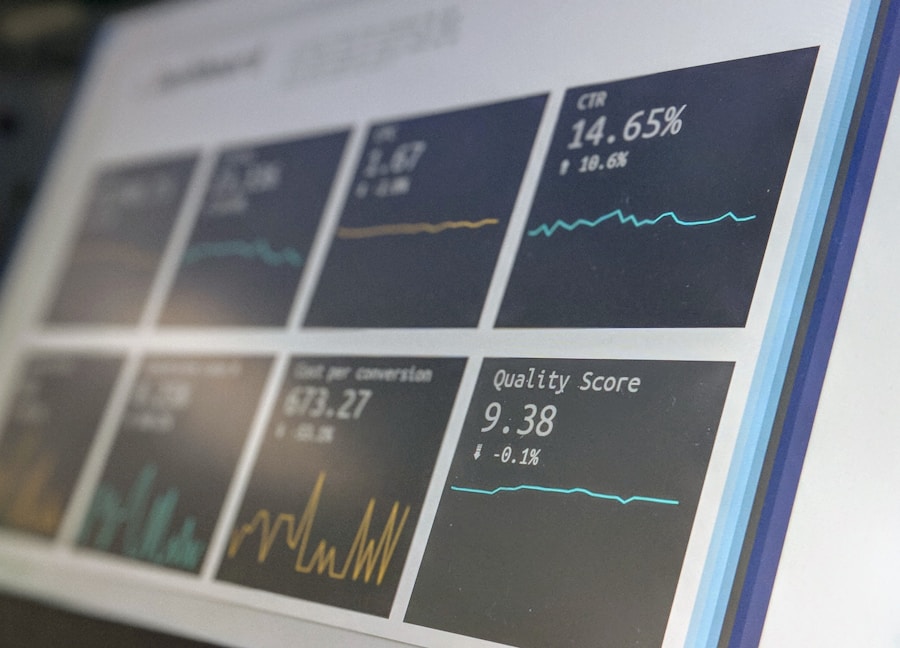
The Ultimate Guide to CRM Reporting: Making Data Work for Your Business
CRM reporting is a crucial aspect of any business that aims to build and maintain strong relationships with its customers. By tracking and analyzing customer data, businesses can gain valuable insights into their customers’ behavior, preferences, and needs. This information is essential for making informed business decisions, improving customer satisfaction, and ultimately driving revenue growth.
One of the key benefits of CRM reporting is that it provides businesses with a comprehensive view of their customer interactions across various touchpoints. This allows businesses to identify patterns and trends in customer behavior, which can be used to tailor marketing strategies, improve product offerings, and enhance the overall customer experience. Additionally, CRM reporting enables businesses to measure the effectiveness of their sales and marketing efforts, identify areas for improvement, and track the success of customer retention initiatives.
In today’s competitive business landscape, customer retention is more important than ever. Studies have shown that acquiring a new customer can cost five times more than retaining an existing one. By leveraging CRM reporting tools, businesses can identify at-risk customers, proactively address their concerns, and ultimately increase customer loyalty. Overall, CRM reporting is essential for businesses looking to gain a deeper understanding of their customers and drive long-term success.
Choosing the Right CRM Reporting Tools
When it comes to choosing the right CRM reporting tools, businesses have a wide range of options to consider. From basic reporting features included in CRM platforms to advanced analytics tools, there are numerous solutions available to help businesses track and analyze customer data. The key is to find a tool that aligns with the specific needs and goals of the business.
For businesses just starting out with CRM reporting, it may be beneficial to begin with the reporting features included in their CRM platform. Many CRM systems offer basic reporting capabilities, such as tracking sales performance, monitoring customer interactions, and measuring marketing campaign effectiveness. These built-in features can provide businesses with a solid foundation for understanding their customer data and identifying areas for improvement.
For businesses looking for more advanced reporting capabilities, there are a variety of third-party CRM reporting tools available on the market. These tools often offer more robust analytics features, such as predictive modeling, customer segmentation, and real-time dashboards. Additionally, many third-party reporting tools integrate seamlessly with popular CRM platforms, making it easy to access and analyze customer data in one centralized location.
Ultimately, the right CRM reporting tool will depend on the specific needs and goals of the business. It’s important for businesses to carefully evaluate their reporting requirements and explore the various options available to find a solution that best fits their needs.
Setting Up Effective CRM Reporting Systems
Setting up an effective CRM reporting system is essential for businesses looking to gain valuable insights from their customer data. A well-designed reporting system should be able to capture and analyze a wide range of customer interactions, from sales and marketing activities to customer service interactions. By setting up an effective CRM reporting system, businesses can gain a comprehensive view of their customers’ behavior and preferences.
One of the first steps in setting up an effective CRM reporting system is to define clear objectives and key performance indicators (KPIs) that align with the business’s goals. This will help businesses focus on the most important metrics and ensure that their reporting efforts are aligned with their overall strategic objectives. Additionally, businesses should establish a standardized process for collecting and organizing customer data to ensure consistency and accuracy in their reporting efforts.
Another important aspect of setting up an effective CRM reporting system is selecting the right technology and tools to support reporting activities. This may involve integrating CRM platforms with third-party reporting tools, implementing data visualization software, or leveraging advanced analytics capabilities. By investing in the right technology, businesses can streamline their reporting processes and gain deeper insights from their customer data.
Overall, setting up an effective CRM reporting system requires careful planning, clear objectives, and the right technology to support reporting activities. By establishing a solid foundation for reporting, businesses can gain valuable insights from their customer data and drive informed decision-making.
Analyzing and Interpreting CRM Data
Once businesses have collected and organized their customer data through CRM reporting systems, the next step is to analyze and interpret this data to gain valuable insights. By leveraging advanced analytics techniques, businesses can uncover patterns, trends, and correlations in their customer data that can be used to inform strategic decision-making.
One of the key aspects of analyzing CRM data is identifying meaningful KPIs that align with the business’s objectives. This may involve tracking metrics such as customer acquisition cost, customer lifetime value, churn rate, or customer satisfaction scores. By focusing on these key metrics, businesses can gain a deeper understanding of their customers’ behavior and make informed decisions to drive revenue growth.
In addition to tracking KPIs, businesses can leverage advanced analytics techniques such as predictive modeling and customer segmentation to gain deeper insights from their CRM data. Predictive modeling can help businesses forecast future customer behavior, such as likelihood to purchase or churn, while customer segmentation can help businesses identify distinct groups of customers with unique needs and preferences.
Overall, analyzing and interpreting CRM data requires a combination of technical expertise, strategic thinking, and a deep understanding of the business’s objectives. By leveraging advanced analytics techniques and focusing on meaningful KPIs, businesses can gain valuable insights from their customer data that can be used to drive informed decision-making.
Implementing Actionable Insights from CRM Reporting
Once businesses have analyzed and interpreted their CRM data, the next step is to implement actionable insights derived from their reporting efforts. By leveraging these insights, businesses can make informed decisions to improve customer satisfaction, drive revenue growth, and enhance the overall customer experience.
One way businesses can implement actionable insights from CRM reporting is by tailoring their marketing strategies based on customer behavior and preferences. For example, if CRM data reveals that a certain segment of customers responds well to a specific type of marketing campaign, businesses can use this insight to personalize their marketing efforts and drive higher engagement and conversion rates.
In addition to marketing strategies, businesses can also use actionable insights from CRM reporting to improve their product offerings and enhance the overall customer experience. For example, if CRM data indicates that a certain product feature is highly valued by customers, businesses can use this insight to prioritize product development efforts and drive higher customer satisfaction.
Overall, implementing actionable insights from CRM reporting requires a strategic approach and a willingness to adapt based on customer feedback. By leveraging these insights, businesses can make informed decisions that drive revenue growth and improve the overall customer experience.
Maximizing ROI with CRM Reporting
Maximizing return on investment (ROI) with CRM reporting is essential for businesses looking to drive long-term success. By leveraging CRM reporting tools effectively, businesses can gain valuable insights from their customer data that can be used to improve operational efficiency, drive revenue growth, and enhance the overall customer experience.
One way businesses can maximize ROI with CRM reporting is by using insights derived from reporting efforts to optimize sales and marketing strategies. By identifying high-performing marketing channels or sales tactics through CRM data analysis, businesses can allocate resources more effectively and drive higher conversion rates.
In addition to sales and marketing optimization, businesses can also use CRM reporting to improve customer service operations and enhance the overall customer experience. By analyzing customer interactions and feedback through CRM reporting tools, businesses can identify areas for improvement in their customer service processes and drive higher levels of customer satisfaction.
Overall, maximizing ROI with CRM reporting requires a strategic approach and a willingness to adapt based on insights derived from customer data. By leveraging these insights effectively, businesses can drive revenue growth and improve operational efficiency.
Best Practices for Successful CRM Reporting
Successful CRM reporting requires careful planning, strategic thinking, and a commitment to continuous improvement. By following best practices for successful CRM reporting, businesses can gain valuable insights from their customer data that drive long-term success.
One best practice for successful CRM reporting is to establish clear objectives and KPIs that align with the business’s goals. By focusing on meaningful metrics that drive revenue growth and improve the overall customer experience, businesses can ensure that their reporting efforts are aligned with their strategic objectives.
Another best practice for successful CRM reporting is to invest in the right technology and tools to support reporting activities. This may involve integrating CRM platforms with third-party reporting tools or implementing advanced analytics capabilities to gain deeper insights from customer data.
Additionally, successful CRM reporting requires a commitment to continuous improvement and adaptation based on insights derived from customer data. By regularly reviewing and analyzing CRM data, businesses can identify areas for improvement in their sales and marketing strategies, product offerings, or customer service operations.
Overall, successful CRM reporting requires a combination of strategic thinking, technical expertise, and a commitment to continuous improvement. By following best practices for successful CRM reporting, businesses can gain valuable insights from their customer data that drive long-term success.