
Top 5 Must-Have CRM Features for Business Success
Welcome, discerning business leader, to the definitive guide that will revolutionize your customer relationships and propel your enterprise towards unprecedented success. As the Listicle Content Architect, I’m here to distill the complexities of customer relationship management into an actionable blueprint for you. Forget the fluff and the jargon; we’re diving straight into the core functionalities that will empower you, your team, and your bottom line. You understand that in today’s hyper-competitive landscape, a robust CRM isn’t a luxury—it’s the foundational pillar upon which sustained growth is built. So, prepare to arm yourself with the knowledge that will transform how you interact with your most valuable asset: your customers.
1. Robust Contact and Account Management: The Foundation of Every Interaction
You know that at the heart of every successful business lies a deep understanding of its customers. Without a centralized, comprehensive repository of information, you’re essentially operating in the dark, making assumptions rather than informed decisions. Robust contact and account management isn’t just about storing names and numbers; it’s about creating a living, breathing dossier for every individual and organization you interact with. This is where you lay the groundwork for personalized communication and strategic engagement.
1.1 Centralized Data Repository
Imagine, for a moment, a customer calls your sales team. What if the salesperson on the other end doesn’t know about their previous support tickets, their recent purchases, or even their preferred communication method? This is where a centralized data repository comes into play. You need a single source of truth for all customer-related information. This means that whether it’s a sales rep, a marketing specialist, or a customer service agent, everyone in your organization has access to the most current and complete picture of the customer. You’ll avoid redundant data entry, ensure consistency in messaging, and prevent the frustrating experience of a customer having to repeat their story multiple times. This repository should house not only basic demographic information but also an exhaustive history of every touchpoint.
1.2 Comprehensive Activity Tracking
Every interaction, no matter how small, tells a story. You need a CRM that diligently tracks every email exchange, every phone call, every meeting, and every document sent or received. This comprehensive activity tracking allows you to understand the complete customer journey. Did they open your last marketing email? Did they click on a specific link? When was the last time a sales rep spoke to them, and what was discussed? This granular level of detail empowers you to identify patterns, pinpoint potential issues, and seize opportunities. You’re no longer guessing about the customer’s engagement level; you’re seeing it laid out before you, allowing you to tailor your next move with precision. This historical context is invaluable for personalizing future interactions and ensuring that your team is always well-prepared.
1.3 Customizable Fields and Data Segmentation
Your business is unique, and so are the data points that are most critical to your success. A generic CRM that forces you into predefined fields will ultimately limit your potential. You need the flexibility to customize fields to capture specific information relevant to your industry, your products, and your customer segments. Perhaps you need to track industry-specific compliance requirements, or perhaps you want to categorize customers based on their specific needs or challenges. Furthermore, robust data segmentation allows you to group your contacts based on various criteria, enabling highly targeted marketing campaigns and personalized outreach. You can segment by purchase history, industry, geographic location, lead source, or any other attribute that helps you understand and serve your audience better. This capability means you can move beyond broad, generic messaging and speak directly to the specific interests and pain points of different customer groups, significantly increasing the effectiveness of your efforts.
When evaluating CRM features to consider for your business, it’s essential to stay informed about industry trends and acquisitions that may influence the market landscape. For instance, the recent acquisition of LSIS’s Accelerated Solutions and Flash Components divisions by Seagate could have implications for data management and storage solutions within CRM systems. To learn more about this acquisition and its potential impact, you can read the article here: Seagate Acquires LSIS’s Accelerated Solutions and Flash Components Divisions.
2. Powerful Sales Automation and Pipeline Management: Streamlining Your Path to Revenue
You’re in business to generate revenue, and your sales team is the engine that drives that growth. But without efficient processes and a clear understanding of your sales pipeline, that engine can sputter. Sales automation and pipeline management features are designed to empower your sales force, remove administrative burdens, and provide you with a crystal-clear view of your revenue potential. You’ll be able to optimize every stage of the sales process, from lead generation to deal closure.
2.1 Lead Scoring and Nurturing
Not all leads are created equal. You understand that some prospects are simply tire-kickers, while others are primed for conversion. Lead scoring allows you to assign a value to each lead based on their engagement, demographic information, and behavioral data. This helps your sales team prioritize their efforts, focusing on the hottest leads first. Furthermore, automated lead nurturing workflows ensure that even leads that aren’t immediately ready to buy receive relevant, timely communication that guides them further down the sales funnel. You can set up automated email sequences, content delivery, and follow-up reminders based on specific triggers and lead scores. This ensures that no potential opportunity falls through the cracks and that your marketing and sales efforts are always working in harmony to cultivate interest and move prospects towards a purchasing decision.
2.2 Intuitive Pipeline Visualization
Imagine trying to drive a car without a dashboard. That’s what managing a sales team without an intuitive pipeline visualization feels like. You need to see, at a glance, where every deal stands in your sales process. A good CRM provides a visual representation of your sales pipeline, allowing you to track opportunities as they move from initial contact to negotiation and finally, to closed-won. This visual dashboard provides invaluable insights into your sales velocity, potential bottlenecks, and forecasting accuracy. You can identify which stages are causing delays, where deals are getting stuck, and which sales reps are excelling. This level of transparency empowers you to make informed decisions, reallocate resources, and provide targeted coaching to your team. You’ll have a real-time pulse on your sales performance, enabling proactive intervention and strategic adjustments.
2.3 Automated Task Management and Reminders
Your sales reps should be selling, not spending countless hours on administrative tasks. Automated task management and reminders streamline their workflow by automating routine activities. Imagine a scenario where, after a discovery call, the CRM automatically creates a follow-up task to send a proposal, schedules a reminder for a week later, and even suggests relevant marketing collateral to include. This eliminates the need for manual record-keeping and ensures that no critical follow-up is missed. It frees up your sales team to focus on what they do best: building relationships and closing deals. You’ll see increased productivity, improved follow-up rates, and a more consistent sales process across your entire team. This automation isn’t about replacing human interaction; it’s about augmenting it, allowing your team to be more strategic and impactful in their engagement.
3. Comprehensive Marketing Automation and Campaign Management: Engaging Your Audience at Scale
You know that consistent, targeted marketing is crucial for attracting new customers and nurturing existing ones. But managing multiple campaigns across different channels can quickly become overwhelming. Comprehensive marketing automation and campaign management features allow you to scale your marketing efforts, personalize your messaging, and track the effectiveness of your campaigns with precision. You’ll be able to reach the right audience with the right message at the right time, every time.
3.1 Email Marketing Integration and Automation
Email remains one of the most powerful and cost-effective marketing channels. Your CRM should seamlessly integrate with robust email marketing capabilities, allowing you to design, send, and track the performance of your campaigns directly from the platform. But it goes beyond just sending newsletters. You need automation that allows you to trigger emails based on specific customer actions or predefined schedules. Think welcome sequences for new subscribers, abandoned cart reminders, personalized product recommendations, or follow-up emails after a download. This automation ensures that your customers receive relevant communication at crucial points in their journey, keeping your brand top-of-mind and driving engagement. You’ll be able to segment your audience and send highly targeted emails, leading to significantly higher open and click-through rates.
3.2 Landing Page and Form Builders
Capturing leads is the lifeblood of your marketing efforts. A good CRM will include intuitive landing page and form builders that allow you to create professional, conversion-optimized pages without needing extensive technical knowledge. You can design custom forms to gather specific information, embed them on your website, or link them from your marketing campaigns. These forms should seamlessly feed new lead data directly into your CRM, automatically populating contact records and initiating relevant workflows. This eliminates manual data entry, reduces errors, and ensures that every lead is immediately accessible to your sales and marketing teams. You’ll be able to test different landing page variations and form designs to continually optimize your lead capture strategy, ensuring you’re always maximizing your conversion rates.
3.3 Social Media Management and Listening
In today’s interconnected world, social media is an undeniable force. Your CRM should extend its reach to social channels, allowing you to monitor conversations, engage with your audience, and even generate leads directly from platforms like Twitter, LinkedIn, and Facebook. Social listening tools integrated with your CRM empower you to track mentions of your brand, industry keywords, and competitor activity. This gives you invaluable insights into market sentiment, customer feedback, and emerging trends. Furthermore, you can schedule and publish social media content, respond to inquiries, and track the performance of your social campaigns, all from a single dashboard. This unified approach to social media management ensures that your brand message is consistent across all channels and that you’re always tuned into the digital pulse of your customer base. You’ll be able to identify potential customer service issues before they escalate and leverage positive sentiment for testimonials and social proof.
4. Advanced Customer Service and Support: Building Lasting Loyalty
You know that acquiring a customer is only half the battle; retaining them is where true, sustainable growth lies. Exceptional customer service and support are no longer just a nice-to-have; they are a critical differentiator. Your CRM must equip your team with the tools to deliver fast, efficient, and personalized support that transforms issues into opportunities for stronger relationships.
4.1 Ticketing System and Case Management
When a customer encounters a problem, they want a quick and effective resolution. A robust ticketing system is essential for managing customer inquiries, complaints, and support requests. Your CRM should allow you to create, assign, prioritize, and track support tickets from initial contact to resolution. This ensures that no customer issue falls through the cracks and that every request is addressed in a timely manner. Your support agents will have a clear overview of open cases, their status, and the complete history of interactions related to each issue. You’ll be able to set service level agreements (SLAs) and monitor performance, ensuring your team consistently meets customer expectations. This structured approach to case management enhances efficiency, reduces resolution times, and ultimately boosts customer satisfaction.
4.2 Knowledge Base and Self-Service Portals
Many customers prefer to find answers to their questions independently before reaching out for direct support. A comprehensive knowledge base and self-service portal empower your customers to do just that. You can populate these resources with frequently asked questions (FAQs), troubleshooting guides, product documentation, and instructional videos. This not only improves the customer experience by providing instant answers but also significantly reduces the workload on your support team, allowing them to focus on more complex issues. Your CRM should facilitate the creation and organization of this content, making it easily searchable and accessible to customers. You’ll find that a well-maintained knowledge base acts as a 24/7 support agent, providing value even outside of business hours and improving overall customer autonomy.
4.3 Omnichannel Communication Support
Customers today expect to interact with your business through a variety of channels—phone, email, live chat, social media, and even messaging apps. Your CRM needs to support omnichannel communication, allowing your support agents to manage interactions across all these channels from a single, unified interface. This means that if a customer starts a conversation on live chat and then follows up with an email, the agent has the complete context of the previous interaction. This seamless transition between channels prevents customers from having to repeat themselves and provides a consistent, fluid support experience. You’ll avoid fragmented conversations and ensure that your team always has the full picture, regardless of how the customer chooses to communicate. This leads to faster, more effective resolutions and a much more satisfying experience for your customers.
When exploring the essential features of CRM systems, it’s important to consider how these tools can enhance customer engagement and streamline communication. A related article that delves into optimizing online visibility through targeted strategies can be found here: the essence of long-tail keywords. This resource provides valuable insights that can complement your understanding of CRM functionalities by highlighting the significance of effective marketing techniques in reaching your audience.
5. Reporting, Analytics, and Dashboards: Gaining Actionable Insights
You understand that data is power. But raw data, without proper analysis, is merely noise. The true value of a CRM lies in its ability to transform that data into actionable insights that drive strategic decision-making. Robust reporting, analytics, and customizable dashboards are essential for understanding your performance, identifying trends, and optimizing your operations. You need to see, at a glance, what’s working, what isn’t, and where your next opportunities lie.
5.1 Customizable Reports and Dashboards
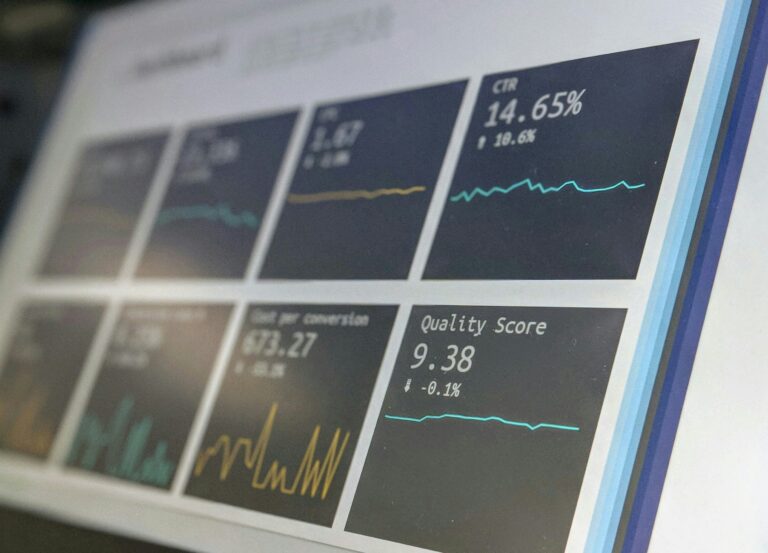
Every business leader has unique metrics and key performance indicators (KPIs) that matter most to them. Your CRM should offer highly customizable reporting capabilities, allowing you to generate detailed reports on sales performance, marketing campaign effectiveness, customer service metrics, and more. Beyond standard reports, customizable dashboards are crucial. These visual summaries provide a real-time snapshot of your most important data points. You can tailor dashboards to display sales pipelines, lead conversion rates, customer satisfaction scores, revenue forecasts, or any other metric that helps you monitor progress and identify areas for improvement. You’ll be able to create different dashboards for sales managers, marketing directors, and customer service leads, ensuring everyone has access to the most relevant information for their role. This immediate visibility empowers you to make data-driven decisions quickly and confidently.
5.2 Sales Forecasting and Performance Tracking
Predictability is key to sustainable growth. Your CRM should provide powerful sales forecasting tools that allow you to estimate future revenue based on your current pipeline, historical data, and deal probabilities. This enables you to plan resources effectively, set realistic targets, and identify potential revenue gaps early on. Furthermore, robust performance tracking allows you to monitor the individual and team performance of your sales force. You can track metrics like conversion rates by stage, average deal size, sales cycle length, and quota attainment. This granular insight helps you identify top performers, pinpoint areas for coaching, and optimize your sales strategy. You’ll be able to understand which activities lead to the most successful outcomes and replicate those strategies across your team, driving consistent and improved sales results.
5.3 Marketing ROI Measurement
You invest significant resources into your marketing efforts, and you need to know if those investments are paying off. Your CRM should enable you to measure the return on investment (ROI) of your marketing campaigns. By tracking leads from their initial source through to conversion and revenue generation, you can attribute sales directly to specific marketing activities. This allows you to understand which channels and campaigns are most effective, where to allocate your marketing budget for maximum impact, and which strategies need to be refined or abandoned. You’ll move beyond assumptions and make data-backed decisions about your marketing spend, ensuring that every dollar you invest is contributing directly to your business success. This level of accountability in your marketing efforts will transform your budget allocation and campaign design, leading to more efficient and profitable growth.
FAQs
What are some key CRM features to consider when choosing a CRM system?
Some key CRM features to consider include contact management, lead management, sales pipeline management, reporting and analytics, integration capabilities, and mobile access.
How important is contact management in a CRM system?
Contact management is crucial in a CRM system as it allows businesses to store and organize customer information, track interactions, and manage communication effectively.
What is lead management and why is it important in a CRM system?
Lead management involves capturing, tracking, and nurturing leads throughout the sales process. It is important in a CRM system as it helps businesses to prioritize and manage potential customers effectively.
Why is sales pipeline management a critical feature in a CRM system?
Sales pipeline management allows businesses to track and manage the sales process from initial contact to closing the deal. It is critical in a CRM system as it provides visibility into the sales process and helps in forecasting and decision-making.
How can integration capabilities and mobile access enhance a CRM system?
Integration capabilities allow a CRM system to connect with other business tools and systems, streamlining processes and improving efficiency. Mobile access enables users to access the CRM system on the go, increasing productivity and responsiveness.